
Remember the shiny flying cars that show up on every sci-fi movie poster? Every image of the future since the 1950s had a commonality - flying cars. It is rare, almost impossible, to find a future without the domination of cars.
Micromobility: An overview
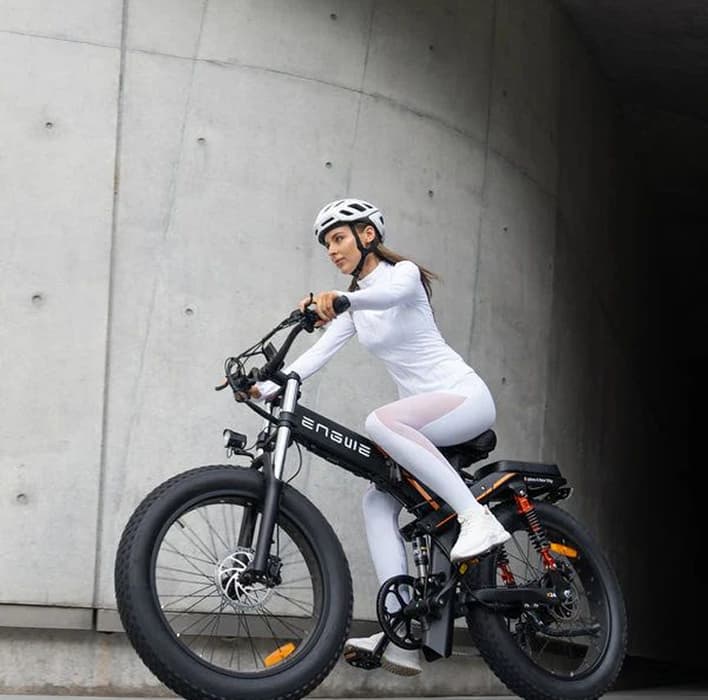
When you think of Micromobility, most visualise it to be e-bikes or e-scooters. Although that is right, the term Micromobility refers to a broader spectrum of small, lightweight, low-speed vehicles, widely used for short rides.
Market Research Future in its study, predicts the global Micromobility industry to cross USD 200 billion by the year 2027, growing at a CAGR of 17%.
A Growing Shift towards Micromobility
Micromobility has all the potential of playing a big role in the future Urban Transportation architectures. Vehicles like e-bikes, e-scooters and other electric 2-wheeled vehicles are projected to become convenient options for both last mile and point-to-point travel needs.
Cost of Use is a factor with most things in life. Smaller vehicles like bikes, eBikes and eScooters offer great value propositions on cost of ownership, for private ownership and thereby offering an attractive cost of service in a shared mobility setting.
In this 21st century, convenience is everything. People who use Micromobility services note that one of the major high points for the model is its convenience.
Why it matters
Micromobility is a relatively new concept in action in some places and a much older mode in use across others. However, there is similarity and consistency to how it is taking shape around many parts of the world right now, as an alternative to mainstream transport systems.
Micromobility has a lot to offer, specially to address issues that have troubled our urban cities for a long time, irrespective of the challenges that confront it. It provides opportunities to improve the environmental condition around us that is in dire need for change.