
Electric Bicycles have been around for over a decade now. However, they have found increased adoption during and post pandemic times, around the world. To many, electric cycle is a new concept and the world around us is also learning. In this blog, Richard Peace and Raghu Kerakatty try to explain the functional parts of an Electric Cycle, and what prospective buyers and current users should look to evaluate, when buying one.
What is an Electric Cycle?
An electric cycle/bike or eBike, is a regular bike with the addition of an electric drivetrain to make it easier to ride, so you can go further and faster than on a regular cycle. As long as the Electric Cycles doesn’t use the motor to assist it above 25kmh and the motor itself has a power rating of 250 Watts or less, it is regarded as a regular bicycle when in use on public roads in many countries.
There are several different terms for electric cycles or eBikes you might hear - Pedelecs, EAPCs and Twist and Gos - but in the end they are just other names for eBikes, the different names highlighting different ways in which eBikes mechanically speaking can work.
They are becoming more and more popular as more and more people are recognising the benefits they can bring for the rider - cheap, practical transport that also has great green credentials and is also a fun and healthy activity.
How do you ride Electric Cycles and What can you use them for?
If you can ride a regular non-electric bicycle you should be able to ride an electric cycle. It requires the same skills of balance and control, the difference being the small electric motor onboard makes it easier to pick up speed and to get up and over hills.
Commuting to work remains one of the main uses of electric cycles of course; you can easily avoid traffic jams on two wheels and a reliable electric cycle means you get to work reliably on time.
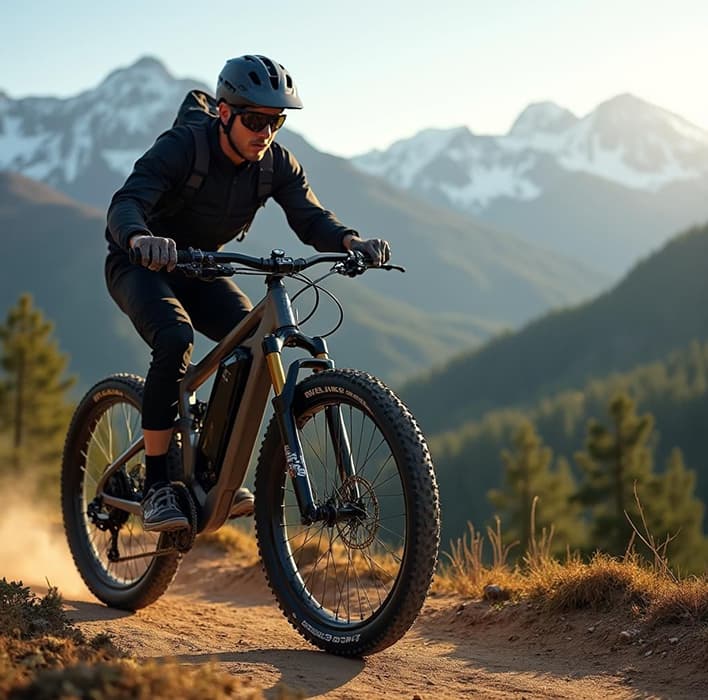
If you are riding an electric cycle for leisure, the quality and look of the machine itself may be more important to you. A trail or mountain style electric cycle might suit your needs if you want to venture off-road where wider, knobbly tyres and a suspension fork will provide comfort and safety on longer rides.
What to look for when buying an Electric Cycle?
The important components an electric cycle, a prospective or current user will be well served to understand, are Frame, Weight, Motor, Battery, Bike Control Unit or Controller, Display Console, Pedal Assist Sensors, Brake Sensors and Mechanical components.
- Frame: the frame needs to be engineered to accommodate a battery and a motor.
- Weight: most electric bikes weigh between 18 to 30Kgs depending on frame, battery and motor.
- Motor: hub motors and mid-drive motors are the two main groups used on e-bikes.
- Battery: battery capacity, cell quality, charging time and detachability are important buying checks.
- Controller and display: the system should make electric assistance predictable, safe and easy to use.